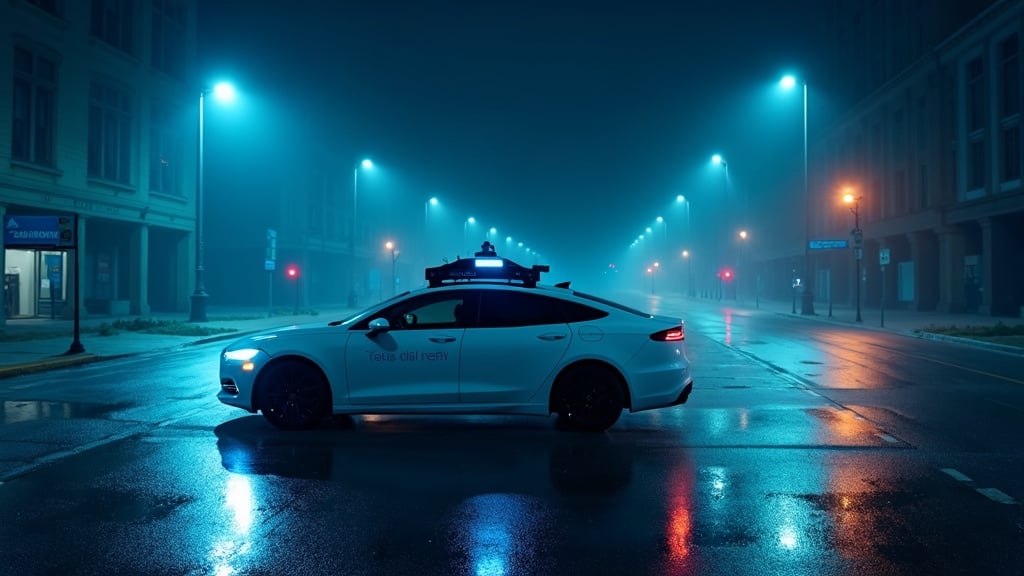
aymo, the self-driving car division of Alphabet, has temporarily halted its robotaxi service in five US cities. The decision follows reports of vehicles driving into flooded roads, posing safety concerns. This pause matters because it underscores the challenges autonomous vehicles face in unpredictable environments.
Waymo's robotaxis operate in Phoenix, Los Angeles, San Francisco, and two other cities. The company prides itself on its advanced autonomous technology, which it claims has logged millions of miles on public roads. This incident, however, suggests that even the most sophisticated systems can struggle with adverse weather conditions.
Autonomous vehicles rely on a combination of sensors, cameras, and software algorithms to navigate roads. In normal conditions, these systems can outperform human drivers. However, flooding presents unique challenges. Water can obscure road markings, reduce visibility, and create hazardous driving conditions. Waymo's vehicles, like those of other autonomous car companies, must be able to detect and respond to such situations safely.
The specific incidents involved Waymo's robotaxis entering flooded areas, despite the risk of damage to the vehicles and potential danger to passengers. A Waymo spokesperson confirmed the pause, stating it was 'out of an abundance of caution'. The company is now reviewing its systems to prevent similar incidents in the future. This review will likely involve updating the software algorithms that control the vehicles' decision-making processes.
This pause raises several questions about the future of autonomous vehicles. Firstly, it highlights the need for these systems to handle a wide range of driving conditions, not just typical scenarios. Secondly, it underscores the importance of human oversight in current autonomous systems. While Waymo's vehicles operate without a human driver, they are monitored remotely by safety operators who can intervene if necessary.
The incident also has implications for public trust in autonomous technology. Consumers must feel confident that these systems can handle unexpected situations safely. Waymo's pause, while precautionary, may lead some to question the readiness of robotaxi services for widespread adoption.
Looking ahead, Waymo will need to demonstrate that it has addressed the issues that led to the flooding incidents. This may involve not only software updates but also changes to the vehicles' sensor systems to better detect water on the road. The company will also need to communicate transparently with the public about the steps it is taking to ensure safety.
The broader autonomous vehicle industry will be watching closely. Competitors and regulators alike will be interested in how Waymo responds to this challenge. The success or failure of Waymo's robotaxi service could have significant implications for the pace of autonomous vehicle adoption in the coming years.