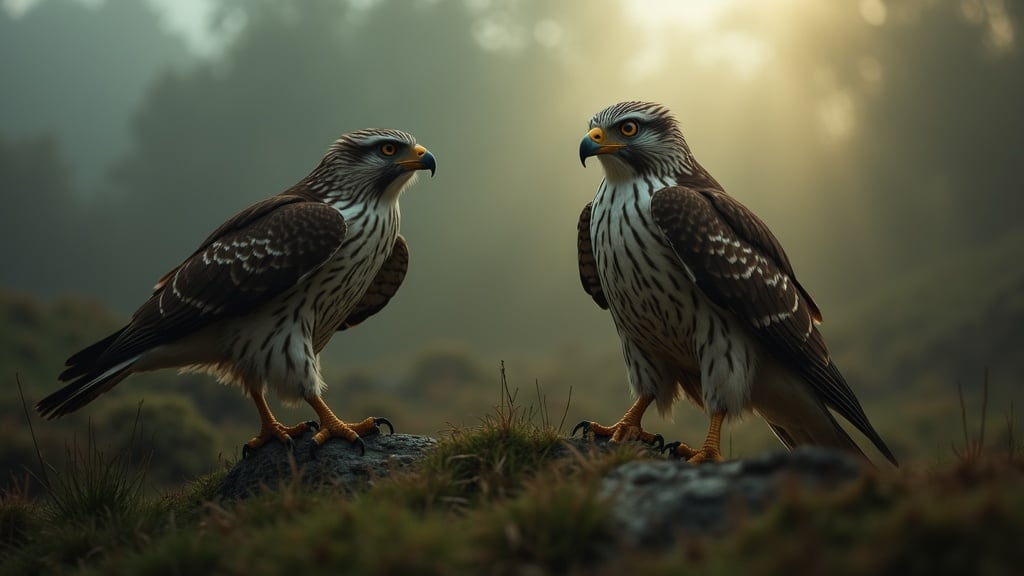
he Royal Society for the Protection of Birds (RSPB) has warned that protected birds of prey in Britain continue to be shot, trapped, and poisoned. The charity says that more than half of these attacks happen on or near land managed for game shooting. This issue matters today because these birds play a crucial role in the ecosystem, and their decline could have far-reaching consequences.
Birds of prey, including species like the hen harrier and the red kite, are legally protected in the UK. Despite this, incidents of persecution persist. The RSPB's report highlights a troubling trend that demands attention from conservationists, lawmakers, and the public.
The context for this issue is rooted in the long-standing practice of game shooting in the UK. Landowners and gamekeepers manage estates for shooting pheasants and grouse, a tradition that dates back centuries. However, some gamekeepers view birds of prey as threats to their game birds and resort to illegal methods to control their numbers.
The specifics of the attacks vary. Some birds are shot outright, while others are trapped in illegal snares or poisoned with bait laced with harmful substances. The RSPB's report does not provide exact figures but underscores the severity of the problem. The charity calls for stronger enforcement of existing laws and greater awareness among the shooting community.
The mechanism behind these attacks often involves a lack of oversight and the remote nature of shooting estates. Many incidents go unreported, and when they are reported, prosecution is rare. The RSPB advocates for more rigorous monitoring and penalties for those found guilty of harming protected species.
In terms of sequence, the RSPB's report follows a pattern seen in previous years. Despite efforts to raise awareness and improve protection, the number of incidents remains high. This suggests that current measures are insufficient and that a more comprehensive approach is needed.
The analysis of this situation reveals what is at stake. Birds of prey are apex predators that help maintain the balance of the ecosystem. Their decline could lead to an increase in smaller predators, such as foxes and rats, which in turn could affect crop yields and other wildlife. Moreover, the cultural and aesthetic value of these birds is significant, and their loss would be a blow to the nation's natural heritage.
Those who gain from the current situation are often those involved in game shooting. They may see short-term benefits from reducing the number of birds of prey, but this comes at a long-term cost to the environment and biodiversity. What to watch for is whether the RSPB's report will lead to tangible changes in policy and practice.
The outlook for Britain's birds of prey depends on the response to the RSPB's report. If stronger measures are put in place and enforced, there is hope for improvement. However, if the status quo persists, the future for these majestic birds remains uncertain. The onus is on all stakeholders to work together to ensure their protection.